Dental Implant Restorations: How to Maintain Your New Smile
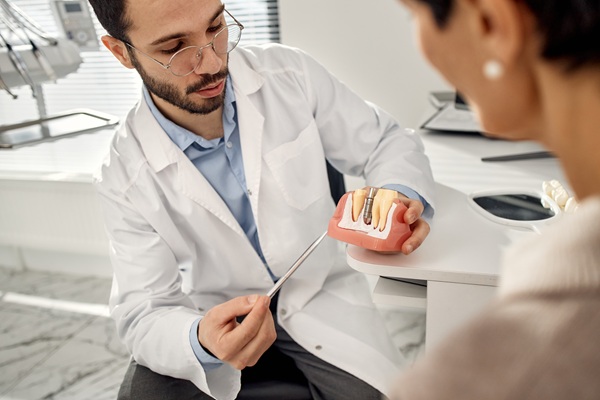
Dental implant restoration is a reliable and long-lasting solution for replacing missing teeth. However, caring for and maintaining your dental implant from the start is important to get the best results. A consistent oral hygiene routine and regular dental visits are necessary to protect this investment in your long-term oral health.
Follow a consistent oral hygiene routine
Brushing and flossing are essential for the patient's long-term oral health, even after getting an implant restoration. They should brush their teeth twice a day with a soft toothbrush and non-abrasive toothpaste to remove plaque and food. Additionally, floss daily to clean between the implant, nearby teeth, and gum line. Special tools like interdental brushes, water flossers, or floss threaders can help reach these hard-to-reach areas.
Use implant-safe products
In order to avoid damaging the surface of the dental implant restoration, patients should only use products designed to be safe for implants. These include low-abrasive toothpaste and alcohol-free mouth rinses. Products that are too abrasive or contain harsh chemicals may compromise the surface of the restoration and irritate the surrounding gum tissue.
Schedule regular dental checkups
Routine dental visits can help the patient maintain the health of both their natural teeth and dental implant restorations. The dentist will monitor the condition of the restoration, assess gum health, and ensure that no complications, such as peri-implantitis, are developing. Professional cleanings also allow the dentist to remove plaque and tartar buildup that brushing and flossing alone cannot remove. These visits also allow the dentist to detect potential issues before they require extensive interventions.
Avoid hot or sticky foods
Certain foods can place excessive stress on a dental implant restoration. Chewing hard items such as ice, nuts, or hard candies may damage the crown or affect the implant's long-term stability. Additionally, sticky or chewy foods can pull on the restoration or cause unnecessary strain on the implant. Fortunately, patients can adopt a diet that supports their oral health and prolong the life of the implant.
Wear a night guard to prevent teeth grinding
Bruxism, or teeth grinding, can place excessive pressure on the new implant restoration. If the patient grinds their teeth at night, they may benefit from a nightguard. This protective appliance reduces the force on the dental implant restoration and helps preserve the implant as well as the surrounding natural teeth.
Watch for possible complications
Awareness of any changes in the mouth is important for long-term implant success. Possible complications with implant restorations include:
- Infection around the implant site
- Bleeding or inflamed gums
- Nerve damage
- Sinus issues
- Fractured prosthetic tooth
- Gum recession around the implant site
These issues should be evaluated by a dental professional as soon as possible. Immediate attention to these symptoms can prevent minor issues from developing into more complications, such as implant failure.
We can help you extend the longevity of your implant restoration
With good oral hygiene, dietary habits, and regular dental visits, your new implant restoration can function effectively and maintain its appearance for many years. Would you like more tips? Olga Kandov, DMD - Brite Smiles is here to help. Give us a call at our Doylestown office to learn more.
Request an appointment here: https://www.britesmiles4u.com or call Olga Kandov, DMD - Brite Smiles at (215) 330-5212 for an appointment in our Doylestown office.
Check out what others are saying about our dental services on Yelp: Dental Implant Restoration in Doylestown, PA.
Related Posts
You know that you need a smile makeover when you are unhappy with your smile. Getting this makeover usually results in dramatic improvements. You may have denied yourself a dental treatment like this before, but maybe now is the right time to get one. If you are wondering whether it is time for you to…
Knowing when to seek professional gum disease treatment helps preserve gum health, stop bone loss, and protect natural teeth. Early attention reduces inflammation before it spreads to the supporting bone, affecting chewing comfort. Gum disease, also called periodontal disease, starts when plaque hardens into tartar and irritates the gums. Over time, pockets form between the…
Patients often search for root canal treatment when a tooth aches from deep decay, a crack, or inflamed pulp tissue. This therapy removes irritated nerve tissue, disinfects the canal space, and seals the tooth to prevent reinfection. By preserving the natural root, the procedure maintains bite balance and chewing strength. With careful planning, a restored…
Whether you are about to book an appointment for tooth implants or you have just undergone the procedure, you probably want to learn proper aftercare to ensure healing and recovery. One of the questions that patients often ask is what and what not to eat after surgery. Although placing implants ensures that you have dental…