What Happens if I Need My Implant-Supported Dentures Repaired?
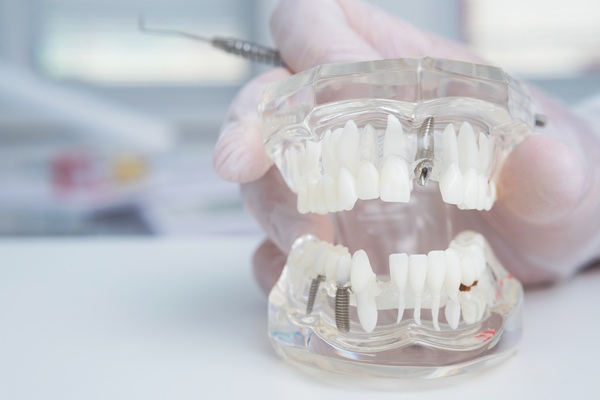
If you rely on implant supported dentures for everyday oral function, a sudden repair may feel like a major setback for your confidence and comfort. While these restorations are designed for long-term durability, their mechanical components can wear down over time. Understanding the restorative process ensures that a solution is reached quickly.
Common reasons for a repair
Although the titanium posts that anchor the denture stimulate the jawbone and prevent bone resorption, the prosthetic teeth and base are subject to constant pressure. Daily chewing and biting forces place stress on the acrylic material and attachments. Repairs typically involve the removable portion of the device rather than the underlying implants.
Frequent reasons that implant-supported dentures need repair include:
- Replacing worn-out nylon attachment inserts or O-rings
- Repairing small chips or fractures in the prosthetic teeth
- Relining the denture base
- Tightening or replacing internal abutment screws
- Fixing a cracked metal framework in the denture body
- Re-bonding a tooth that has detached from the acrylic base
Addressing these issues at the earliest possible stage prevents further damage to the structural integrity of the prosthesis.
What to expect from the repair process
Step 1. Physical examination and diagnostic imaging
A clinical examination by an experienced dental professional is the first step in the restoration of function. The dentist will assess the stability of the implants and the condition of the hardware. They will typically use diagnostic imaging to confirm that the implants in the jawbone remain stable and provide a solid foundation for the restoration.
Step 2. The repair
If the damage is minor, the dental team can typically perform the repair without the patient needing to leave the office. However, for more extensive or structural repairs, the prosthesis may need to be sent to a dental lab for a few days. Many offices offer temporary teeth, so no one has to go without.
Step 3. Placing the repaired prosthetic
Once the dental lab finishes the repair, the dentist will perform a final check to ensure the repaired prosthetic fits comfortably. Regular care and checkups every six months help detect these small issues before they lead to a complete fracture. It is much easier to replace a small screw or a clip than to fix a snapped frame.
Protecting the long-term stability of the restoration
The long-term success of implant-supported dentures depends on the commitment to postoperative care and hygiene. Because these restorations function like natural teeth, they require the same attention to detail as natural teeth to prevent plaque buildup and tissue inflammation. Following the specific instructions of a dental provider regarding cleaning agents and nighttime care will help minimize the need for professional repairs.
Schedule an appointment today
If you have noticed a change in the fit or appearance of your implant-supported dentures, professional intervention can restore your peace of mind. The Olga Kandov, DMD - Brite Smiles team is dedicated to ensuring your smile remains functional and beautiful for years to come. Call our Doylestown office to discuss your repair options or to schedule a maintenance visit.
Request an appointment here: https://www.britesmiles4u.com or call Olga Kandov, DMD - Brite Smiles at (215) 330-5212 for an appointment in our Doylestown office.
Check out what others are saying about our dental services on Yelp: Implant Supported Dentures in Doylestown, PA.
Related Posts
When it comes to replacing lost teeth, there are many options available, including implant supported dentures. Therefore, patients should consider the pros and cons of each treatment. The dentist will help patients determine the option that is suitable for each situation. Keep reading to find out when a dentist might recommend implant supported dentures.Dentures are…
All-on-4® implants are an ever-growing trend due to their permanence and ease. Many people struggle with temporary tooth solutions such as dentures, as they can slide around and need frequent resizing. All-on-4 implants are completed by inserting posts into the jawbone and replacing all teeth. Before attempting to get surgery for the implants, there are…
When you have severe pain or unexpected dental trauma, getting emergency dentistry should be your first priority. If you experience sudden tooth pain, a general dentist is usually the go-to provider. Many people worry that their regular dental office cannot handle urgent issues. However, general dentists have the tools and training to treat serious oral…
A smile makeover can change the way teeth look, feel, and function by combining treatments into one personalized plan. As a general dentist, the focus stays on oral health first, then appearance. This approach helps patients address concerns such as discoloration, uneven spacing, worn edges, and missing teeth in a way that fits their needs.…